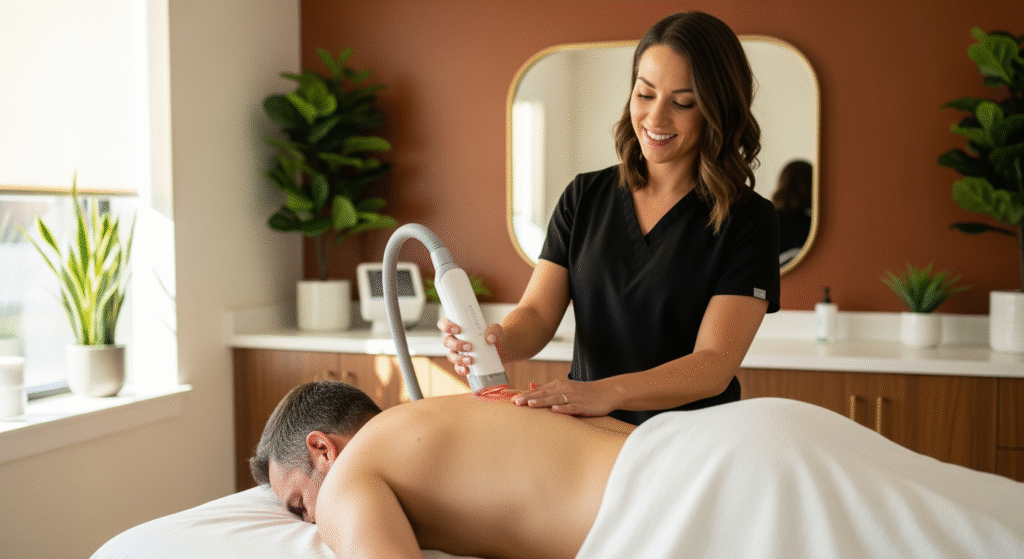
If you’re exploring options beyond pills and injections, laser therapy for pain in Athens, GA, may be the noninvasive option you’ve been hoping to try. The technique is getting attention as a way to reduce inflammation, speed soft-tissue healing, and ease chronic aches without surgery. For context on non-opioid pain strategies and broader public health guidance, the CDC offers practical resources for managing pain and avoiding unnecessary opioid use.
Why people in the city are turning to laser therapy
I see patients choose laser therapy for two main reasons: they want a treatment that feels safe, and they want to get back to normal life quickly. In Athens and nearby neighborhoods, people juggle active jobs, sports, long commutes, and family responsibilities. When pain gets in the way, laser therapy offers a short, clinic-based approach that doesn’t require downtime or general anesthesia. It’s especially attractive for folks who want to avoid long medication courses or who’ve had only limited results from physical therapy alone.
What laser therapy actually does
Laser therapy—often called photobiomodulation—uses specific wavelengths of light to stimulate cells under the skin. At the cellular level, this light helps mitochondria (the cell’s energy factories) produce more energy and reduces oxidative stress. The combined effect is reduced inflammation, less pain, and a speed-up in tissue repair. Treatments are delivered through a handheld device that touches the skin; sessions typically last from a few minutes up to 20 minutes depending on the area.
Simple explanation for non-medical readers
Think of it like jumpstarting tired cells. Cells get a boost, blood flow improves, swelling calms down, and your body moves into repair mode faster than it would on its own. Because the therapy targets cells and not nerves directly, people often feel gradual improvement across several sessions rather than an immediate numbing.
Common conditions treated successfully
Laser therapy is adaptable. In my experience and in clinical settings around the country, it tends to help many persistent, everyday problems:
- Arthritic joint pain—especially knees, shoulders, and hands
- Tendon and ligament injuries—Achilles, tennis elbow, rotator cuff strains
- Lower back and neck pain from soft-tissue strain
- Post-surgical discomfort and scar tissue recovery
Patients often combine laser sessions with a targeted rehab plan. The therapy is not always a one-stop fix, but it speeds recovery and improves comfort levels so exercise and physical therapy become more effective.
What a typical session looks like
When you walk into a clinic in Athens for a laser session, expect a short intake to confirm your pain pattern, a brief exam, and then the treatment. The practitioner will place the laser probe on the skin over the injured area and move it methodically. Most people report a mild warming or tingling sensation, never sharp pain. Sessions are comfortable and often allow you to return to work or errands immediately afterward.
How many sessions will I need?
That depends on the condition’s duration and severity. Acute injuries may improve in just a few treatments, while long-standing chronic pain often requires a series of sessions spread over several weeks. I always recommend a short trial of treatments combined with a plan for exercise and self-care so you can judge the benefit before committing to a long program.
Benefits compared with other treatments
Laser therapy stands out for a few reasons.
- Noninvasive: no needles, no incisions, minimal side effects.
- Low downtime: you can usually resume typical activities immediately.
- Complementary: it works well with physical therapy, manual therapy, and targeted exercise.
Compared to long-term opioid or heavy anti-inflammatory medication use, laser therapy carries far fewer systemic risks. Compared to corticosteroid injections, it avoids the tissue-thinning risks and can be repeated safely over time.
How to choose a provider in Athens
Choosing the right clinic matters. I recommend looking for a center that explains protocols clearly, offers a short trial so you can evaluate results, and is transparent about costs. Ask about the type of laser used (class IV vs. low-level devices), how many joules or energy settings they apply to your condition, and whether they combine laser with a rehabilitation plan.
When scouting a provider in this area, consider proximity to neighborhoods you frequent and whether the clinic offers flexible scheduling. If you’re a student, athlete, or working parent, convenient appointment times make adherence easier.
Checklist for your first visit
- Confirm the clinician’s experience with your specific condition.
- Ask what to expect after each session and how many sessions they typically recommend.
- Make sure there’s a clear plan for pairing therapy with exercises or manual treatment.
What the science and trends say
Research on photobiomodulation has grown in the last decade, and I follow these trends closely. Two notable directions that matter to people here are the rise of class IV high-power laser protocols for deeper tissue effect and an emphasis on measurable outcome tracking so clinics can show real improvements in pain scores and function. In the broader health field there’s also a strong push toward non-opioid pain solutions, which makes technologies like laser therapy particularly relevant.
Local context: why this matters in Athens-Clarke County
Athens residents lead active lives—from weekend hikes to collegiate sports—so rapid, conservative treatment options are in demand. Local public health efforts highlight the need for alternatives to long-term opioid prescribing and encourage multimodal pain care. If you live or work in Athens or nearby neighborhoods, seeking a locally available, evidence-informed option can mean less time stuck waiting for relief and more time doing what you enjoy.
Practical tips to get the most from laser therapy
To help laser therapy work better and faster, I recommend a simple combined approach. Consistency with sessions, realistic expectations, and supportive self-care are key. Here are steps you can follow at home and between appointments:
- Keep moving within pain limits—light mobility helps circulation and healing.
- Use ice or heat as advised by your clinician—short-term pain control can improve participation in rehab exercises.
- Complete any prescribed exercises or stretches daily to build strength and flexibility around the injured area.
- Communicate progress and setbacks with your provider so they can adjust settings or the treatment plan.
Costs, insurance, and realistic expectations
Insurance coverage for laser therapy varies. Some clinics offer package pricing or accept flexible payment options. During your consultation, ask for a clear cost estimate and whether they offer single-session rates or a discounted series. Importantly, avoid clinics that promise an instant cure; ethical providers will present laser therapy as one tool within a broader plan to reduce pain and improve function.
Questions I hear most from people in the city
People often ask whether laser therapy is painful, whether it’s safe for long-term use, and how quickly they’ll feel results. The short answers are no (it’s generally comfortable), yes (it’s widely used safely when applied correctly), and it varies (some notice improvement after a few sessions; others need a longer course). A good provider will walk you through realistic timelines, potential side effects (which are uncommon), and alternatives if laser isn’t a fit for your situation.
When laser therapy might not be the best choice
While laser therapy is versatile, it’s not always the right primary option. Acute fractures, infections, and certain systemic conditions require other pathways first. If you have an implanted electronic device or are pregnant, mention this to your clinician so they can advise appropriately. A thorough intake and exam will flag these concerns before any treatment begins.
How to prepare for your first appointment
Preparation is straightforward. Wear loose clothing that gives access to the treatment area, bring a short history of your pain and any imaging or notes from prior providers, and be ready to discuss goals for recovery. If you are combining laser with rehab, plan for a few extra minutes so your provider can demonstrate recommended exercises.
Next steps if you’re curious
If you’re in Athens and want to explore laser therapy, start with a short consultation to review your history and expectations. Good clinics will offer an honest assessment of likely benefits and set a measurable plan so you and the clinician can track progress together. Consider pairing laser therapy with a structured exercise program and regular follow-up so improvements are sustainable.
For those who are ready to try a conservative, clinic-based option that supports natural healing and reduces reliance on medications, laser therapy is worth a conversation. If you’d like to learn more or book an evaluation in Athens, the team at Luma Pain Relief Laser Center can help you get started with a clear plan tailored to your situation.